
Salt chlorinator
Salt becomes treatment. Monitoring stays essential.
The cell converts dissolved salt into disinfecting chlorine. A saltwater pool is still chlorine-treated, with adjustable production and regular checks.
- Cell and control unit
- Circulation safeguards
- pH and salinity monitoring
Understand the two components
The control unit manages production; the cell acts on water flowing through it. Sizing depends on volume, use and pool conditions, not just the advertised maximum.
In this guideConnections that follow the manual
Cell orientation, sensor position, straight pipe lengths and any bypass follow the selected model's manual. Production is linked to circulation, with required safeguards and accessible maintenance unions.
In this guideAdjust to how the pool is used
Temperature, use and cover change demand. pH control can complement chlorination but does not replace water testing and probe checks.
In this guideCare for the cell
Inspect deposits visually. Polarity reversal, where provided, reduces scaling but does not remove the need for checks. Cleaning and winter shutdown follow manufacturer instructions.
The water journey
From pool to plant room, and back.
- 01Suction
- 02Pump
- 03Filter
- 04Treatment
- 05Return jets
Conceptual diagram: equipment, valves and bypasses are adapted to the project. Optional heating goes before treatment according to the equipment manuals.
Is a saltwater pool chlorine-free?
No. Electrolysis produces chlorine from salt in the water.
Can a chlorinator be added to an existing pool?
Yes if the lining, metal parts and equipment are compatible and the circuit accommodates the required connections.
Does salt need adding every week?
Top-ups depend on measurements and water losses, particularly washing or replacement. Follow the unit's salinity requirement rather than guessing.
Reference documentation : AstralPool — Clear Connect
Piscine Kachou advice
An installation designed together.
Your wishes, your pool, your routine: let's discuss what suits your project.
Explore
Explore your project further
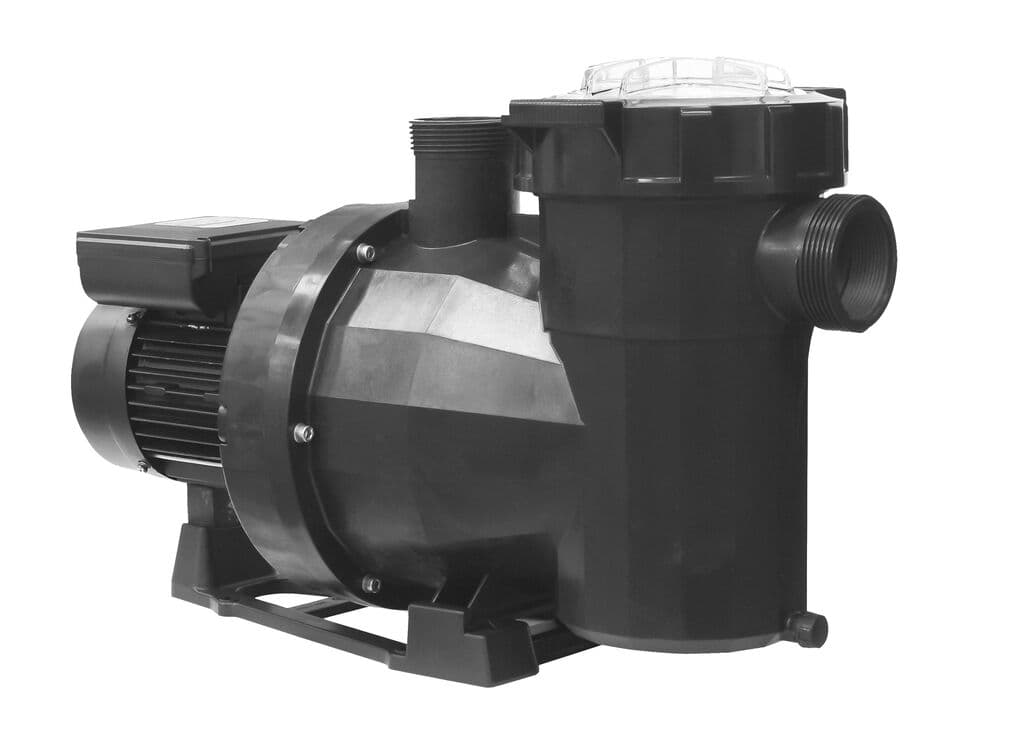
Filtration pump
The pump moves water from the pool through filtration and equipment to the returns. Power alone is not enough to choose: pipework and required flow come first.
Read the guide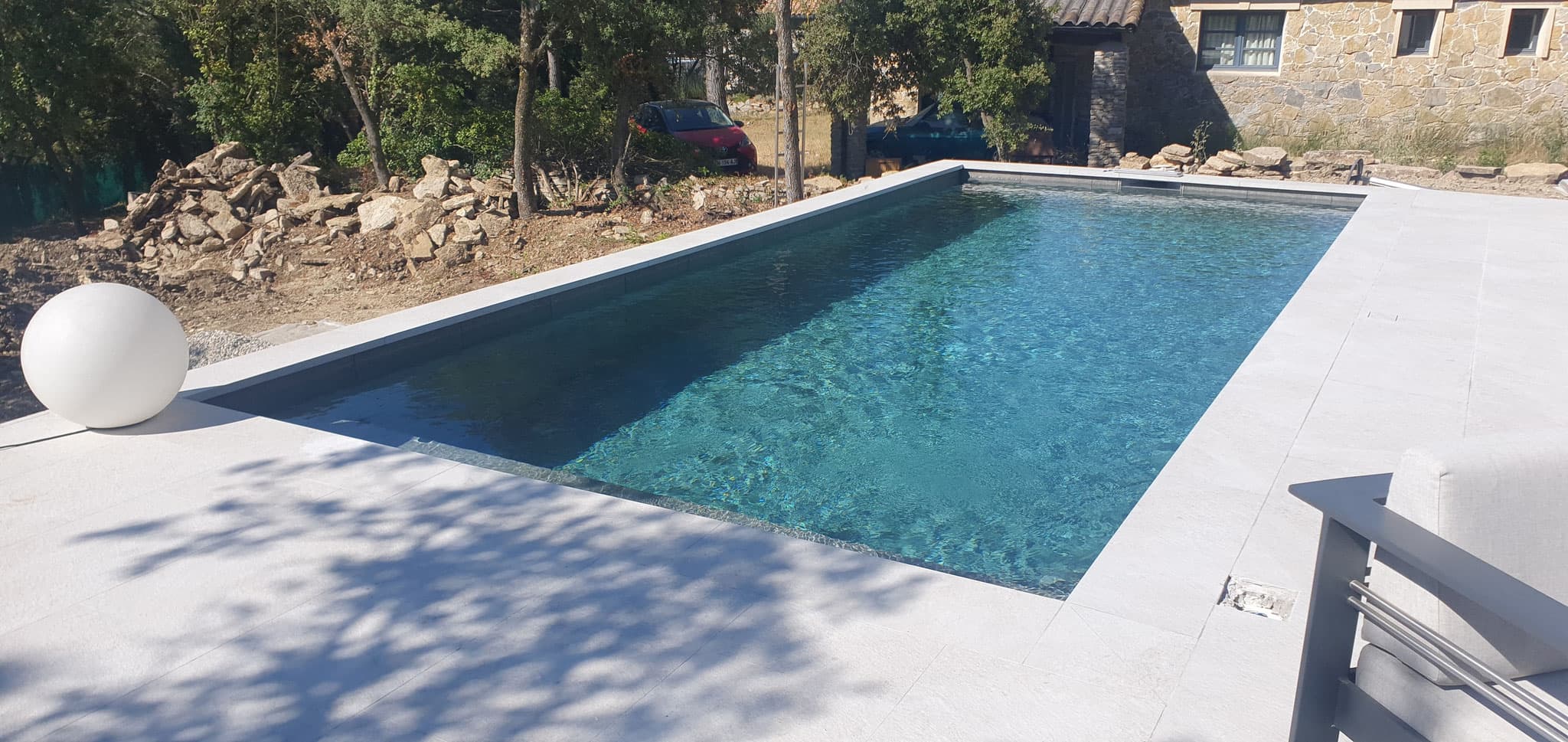
Chlorine treatment
Tablets or liquid dosing: chlorine can be supplied in several ways. We choose a protocol compatible with the pool, filtration and your available maintenance time.
Read the guidePlant room & pipework
The plant room brings together the equipment that keeps your pool working. It is designed with buried pipework so circuits stay understandable and serviceable after finishing.
Read the guide